



Table of Contents
- What Snow Gear Australia Actually Demands From Your Kit
- Vintage Ski Apparel: Why the Old Stuff Often Outperforms the New
- Your Ski Trip Packing List: Nothing Forgotten, Nothing Wasted
- Hire or Buy? Making the Right Call on Snow Gear Australia
- How to Maintain Ski Gear So It Lasts Season After Season
- What to Look for When Buying Pre-Loved Snow Equipment
- Conclusion
Last Updated: August 26, 2026
What Snow Gear Australia Actually Demands From Your Kit
Snow gear Australia conditions require is genuinely different from what European or North American resorts demand. The alpine environment here is wetter, more variable, and far less forgiving of kit that's been assembled without thought. The pattern is almost always the same: people bought for the look, not the function.
The throughline of this guide is simple: great snow gear is about layering intelligence, not spending more. Below, we'll walk through exactly what to buy, what to pack, when hiring makes more sense than owning, and how to keep your kit performing season after season.
Snow gear is the collective term for all clothing, equipment, and accessories designed to keep you warm, dry, and mobile in alpine conditions. For Australian resorts, that means handling everything from heavy wet snowfall to bright spring sunshine within the same weekend.
Outerwear: Jackets and Pants
The biggest mistake most people make is treating the jacket as a fashion item first. Waterproof rating matters enormously here. Look for a minimum 10,000mm hydrostatic head rating on any jacket or pant you plan to wear on the mountain. Anything below that will wet out within a few hours in typical Australian alpine conditions.
Key features to prioritise:
- Sealed seams: Taped or critically-taped seams stop water tracking in along stitching lines
- Pit zips or mesh venting: Essential for regulating temperature when you're working hard on the slopes
- Powder skirt: Connects jacket to pants and stops snow entering when you fall
- Articulated knees: Pants cut with movement in mind make a real difference over a full day
Breathability rating matters as much as waterproofing. A jacket that doesn't breathe turns into a sauna on a warm spring day. Look for a breathability rating of at least 10,000g/m²/24hr.
Layers, Gloves, and Goggles
Most guides get layering wrong by focusing on the outer shell and ignoring what sits underneath. The mid-layer is where warmth actually lives. A quality fleece or insulated mid-layer, worn over a moisture-wicking thermal base, is the combination that keeps you comfortable across changing conditions.
Gloves are non-negotiable. Thin liner gloves under a waterproof shell mitten give you versatility, wet hands on the mountain are not just uncomfortable, they're a genuine safety concern. For goggles, a lens with a visible light transmission range that covers both flat light and bright sunshine is worth the investment. Many skiers carry two lenses and swap them out at lunch.
According to Ski & Snowboard Australia's safety guidelines, eye protection is one of the most commonly overlooked elements of a beginner's kit, and UV protection at altitude is significantly more intense than at sea level.
Vintage Ski Apparel: Why the Old Stuff Often Outperforms the New
Here's the contrarian take most gear guides won't give you: vintage ski apparel from the 1970s through to the early 1990s was built to last decades, not seasons.
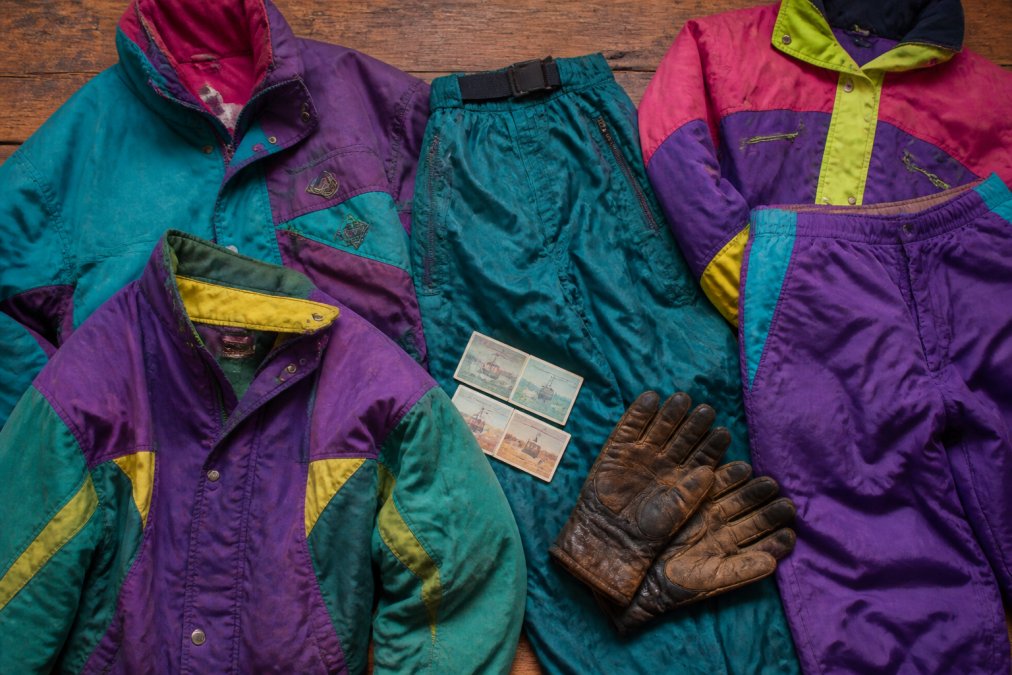
The manufacturing standards applied to ski clothing during that era prioritised durability and repairability in ways that modern fast-fashion-influenced production often doesn't. Seams were reinforced. Zips were metal, not plastic. Insulation was dense and long-lasting. Many pieces from that period, properly cared for, still perform admirably in the field today.
There's also the aesthetic argument, which is not trivial. The bold colourblocking, the geometric patterning, the unapologetically loud colour palettes: vintage ski apparel carries a visual identity that no modern reproduction quite captures. Wearing it on the mountain is a statement about knowing your snow history.
How to Spot Authentic Vintage Pieces
Authenticity is the real challenge in the vintage ski apparel market. A common mistake is confusing "retro-inspired" reproductions with genuine period pieces. Here's what to look for:
- Label construction: Older garments used woven labels with specific typefaces and country-of-origin markings consistent with their era
- Zipper brands: YKK zippers became dominant from the 1970s onwards; earlier pieces may have Talon or Opti zippers
- Shell materials: Genuine vintage pieces from the 1970s often used nylon taffeta or early polyester blends, not the stretch fabrics common today
- Stitching density: Count the stitches per centimetre on a seam. Older quality garments typically show tighter, more consistent stitching than modern budget pieces
- Hardware: Metal buckles, press-studs, and D-rings rather than plastic equivalents signal genuine age
The personalised sourcing service at I Dream of Snow exists precisely because tracking down specific authentic pieces is genuinely hard work. If you're after a particular era, brand, or colourway, having someone who knows what to look for makes an enormous difference.
The Sustainable Case for Pre-Loved Snow Clothing
The environmental case for choosing pre-loved snow clothing is straightforward. Every garment that gets a second life on the mountain is one that didn't require new raw materials, new manufacturing energy, or new shipping miles to produce.
As documented in the Australian Government's National Waste Policy, the textile and clothing sector is one of the more significant contributors to landfill waste nationally. Choosing pre-loved is a direct, practical response to that problem.
What most guides miss is that pre-loved doesn't mean compromised. A well-maintained ski jacket from fifteen years ago, stored correctly and treated with a DWR refresh, can perform on the mountain as well as many new mid-range options.
Your Ski Trip Packing List: Nothing Forgotten, Nothing Wasted
A ski trip packing list that actually works is built around three principles: nothing redundant, nothing missing, and everything that can double up should double up.
| Category | Essential Items | Notes |
|---|---|---|
| Outerwear | Waterproof jacket, waterproof pants | Min. 10,000mm waterproof rating |
| Insulation | Mid-layer fleece or down jacket | Packable down is ideal for layering |
| Base layers | Thermal top and bottom (x2) | Merino wool or synthetic moisture-wicking |
| Head and face | Helmet, balaclava or buff, beanie | Helmet non-negotiable for safety |
| Hands | Liner gloves, waterproof shell mittens | Carry both; conditions change |
| Eyes | Goggles with two lenses, sunglasses | UV400 protection minimum |
| Feet | Wool ski socks (x3 pairs minimum) | Avoid cotton; it holds moisture |
| Extras | Sunscreen SPF50+, lip balm, hand warmers | UV at altitude is intense |
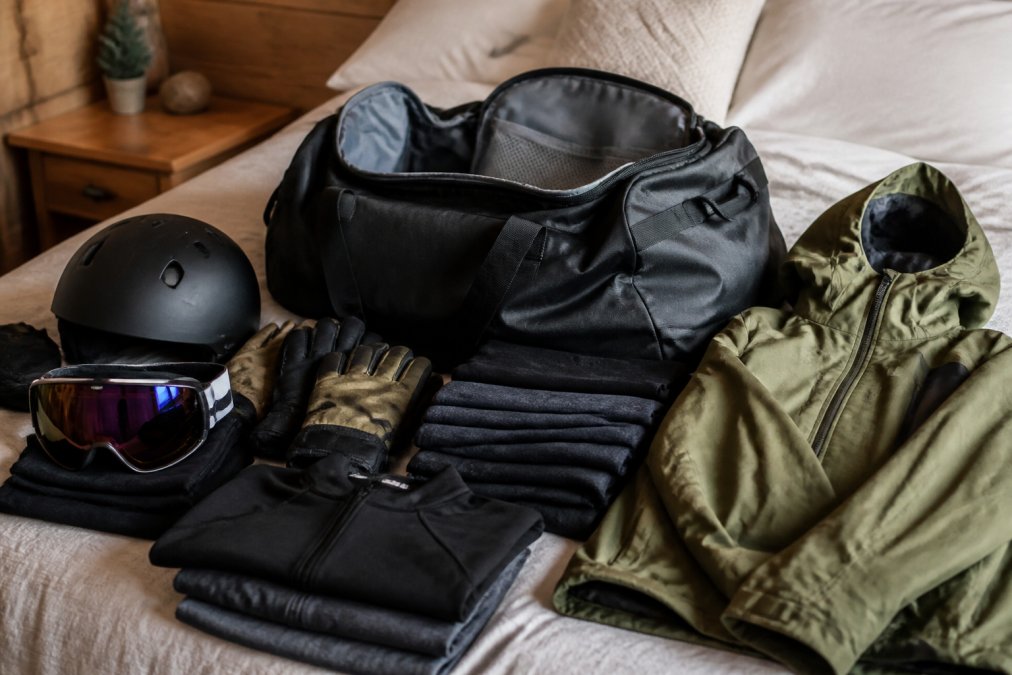
The thing nobody tells you about packing for a ski trip is that the extras column in that table is where most people get caught out. Sunscreen at altitude is not optional. The Cancer Council Australia's UV and altitude guidance notes that UV radiation increases significantly with elevation, making SPF50+ sunscreen essential even on overcast days.
Pack your ski socks last and keep them accessible. Changing into fresh socks at lunch is a small comfort that makes a real difference to how your feet feel by 3pm.
Hire or Buy? Making the Right Call on Snow Gear Australia
The hire-versus-buy decision on snow gear Australia visitors face most often comes down to one question: how many days per season do you actually ski?
For most people, the honest answer is fewer than they'd like. Many Australian skiers get two or three trips to the mountain per year, sometimes fewer. At that frequency, hiring boots and skis or a snowboard from a resort hire shop makes straightforward financial sense. The equipment is serviced, fitted by professionals, and you're not storing a pair of ski boots in your garage for nine months.
Where buying starts to make sense:
- Boots: Hire boots are the single biggest complaint from regular skiers. A properly fitted personal boot makes a dramatic difference to comfort and control
- Helmet: Hygiene and fit are both reasons to own your own helmet
- Clothing: Hire clothing is rarely available, and the fit and condition of personal outerwear is impossible to replicate through a hire shop
- Goggles and gloves: Personal items that should always be owned
The nuanced view is this: hire the hard goods (skis, boards, bindings) until you're skiing more than eight to ten days per season, then invest in your own. Buy the soft goods from the start.
How to Maintain Ski Gear So It Lasts Season After Season
Most ski gear fails prematurely not from heavy use but from poor storage and neglected maintenance. The good news is that maintaining ski gear properly is not complicated; it just requires doing it consistently.
For outerwear, the most common issue is DWR (durable water repellent) failure. DWR is the finish applied to the outer face of waterproof garments that causes water to bead and roll off. Over time, body oils, dirt, and repeated washing degrade it. The fix is straightforward: wash the garment with a technical cleaner, then either tumble dry on low heat or treat with a spray-on DWR product. The waterproof membrane underneath is usually still intact; it's the DWR that needs refreshing.
For ski boots, dry them thoroughly after every use. Boot dryers are inexpensive and extend the life of both the boot liner and the shell significantly. Remove the liners overnight wherever possible.
For skis and boards, a basic end-of-season service, wax, edge sharpen, and base repair, sets them up for the following winter in good condition.
End-of-Season Storage Checklist
- Wash all outerwear with technical cleaner and re-apply DWR treatment
- Check all zips and seams; repair any damage before storing
- Dry ski boots completely; remove liners and store separately
- Apply a generous coat of storage wax to ski or board bases (scrape before next use)
- Sharpen and rust-proof edges
- Store goggles in a hard case away from direct sunlight
- Hand-wash gloves and stuff dry; do not machine dry
- Store all gear in a cool, dry environment away from UV exposure
What to Look for When Buying Pre-Loved Snow Equipment
Buying pre-loved snow gear is genuinely one of the smarter decisions a skier or snowboarder can make, but the quality of what's available varies enormously. Knowing what to inspect before committing is the difference between a great find and a frustrating mistake.
For clothing:
- Check the DWR by splashing a small amount of water on the face fabric. It should bead immediately. If it soaks in, the DWR needs refreshing, which is fixable, but factor that into your assessment
- Inspect all seams and taped areas for delamination or peeling
- Test every zip; a stuck or broken zip on a ski jacket is a significant problem in cold weather
- Check cuffs, hem, and collar for wear; these areas degrade first
For hard goods (skis, boards):
- Inspect base material for deep gouges that expose the core
- Run a fingernail along the edges to check for significant rust or flat spots
- Check bindings for release function; if you're unsure, have a ski technician test them. The Australian Ski Areas Association's equipment safety recommendations advise that binding release should be verified annually by a qualified technician
- For snowboards, check the tip and tail for delamination
For boots:
- Inspect the sole for excessive wear, particularly at the toe and heel
- Check buckles and ratchets for function
- Assess liner compression; a heavily used liner loses its moulded fit and insulation value
The thing nobody tells you about buying pre-loved boots specifically is that the shell lasts far longer than the liner. A shell in good condition with a worn liner can often be relined professionally for a fraction of the cost of new boots, which is exactly the kind of repair-and-reuse approach that makes sustainable snow shopping genuinely practical.
Choosing the right snow gear is harder than most people expect, and the stakes are real: poor kit means cold, wet, and miserable days on the mountain. I Dream of Snow exists to make that choice easier, whether you're after a curated piece of vintage ski apparel that carries the soul of a different era, or a thoughtfully selected item from the snow-themed homeware collection. With a 14-day exchange policy and a personalised sourcing service for those hard-to-find pieces, the collection is built for people who take their snow culture seriously. Shop Vintage and find something the mountain will remember.
Frequently Asked Questions
Q: What essential snow gear do I need for a first-time trip?
A: At minimum, you need a waterproof and insulated jacket, waterproof ski pants, thermal base layers, gloves or mittens, a helmet, goggles, and warm wool or synthetic socks. Boots and skis or a snowboard can be hired on the mountain if you are not ready to buy. Getting the layering system right matters most, a moisture-wicking base, an insulating mid-layer, and a weather-resistant outer shell will keep you comfortable across changing alpine conditions.
Q: Is it better to hire or buy snow gear in Australia?
A: Hiring makes sense if you ski fewer than five days a season or are still deciding whether you enjoy the sport. Once you are on the mountain regularly, buying your own snow gear australia becomes more cost-effective and gives you a better fit. Vintage ski apparel is a particularly smart buy: well-made older pieces often cost less than new equivalents, last for decades with proper care, and carry a character that hired kit simply cannot match.
Q: What should I look for when buying pre-loved snow equipment?
A: Check seam tape integrity on jackets and pants, peeling tape means the waterproofing is compromised. On skis and boards, look for deep core shots or delamination rather than surface scratches, which are easily repaired. For boots, inspect the buckles and liner condition. Vintage ski apparel should have intact zips, no moth damage to wool pieces, and legible care labels. Buying from a curated source rather than a general marketplace reduces the risk of receiving items misrepresented in photos.
Q: How should I care for my snow gear to ensure longevity?
A: Dry all outerwear completely before storage, damp fabric encourages mould and degrades insulation. Wash technical jackets with a specialist cleaner rather than standard detergent, then tumble dry on low heat to reactivate the DWR coating. Wax skis at the end of each season and store them horizontally. Vintage wool garments should be hand-washed in cold water and dried flat. Consistent care after each trip dramatically extends the life of every piece in your kit.
This article was written using GrandRanker