



Quick Summary
Stay safe in alpine regions by preparing for the worst conditions, not the best. Check the forecast for the specific area, leave a trip intention with someone at home, agree a turn-back point before you start, and carry a map, compass and warm layers. Alpine weather can change within an hour, so plan to be off exposed ground before the afternoon.
- Alpine weather can change within an hour, so prepare for the worst conditions.
- Leave your planned route and expected return time with someone not on the walk.
- Agree a turn-back point with the whole group before you set off.
- Carry a personal locator beacon, since many alpine areas have no mobile reception.
- Avoid cotton, which stays wet and pulls heat from your body.
Table of Contents
- Why Alpine Hiking Needs More Preparation Than Lowland Walks
- Planning Your Route and Checking Conditions Before You Leave
- Alpine Weather Preparation: Recognising When to Turn Back
- Packing the Right Alpine Hiking Gear Checklist
- Navigation and Emergency Communication on Remote Trails
- Food, Water and Keeping Your Body Warm on the Trail
- Your Alpine Hike Checklist Before You Set Off
- Frequently Asked Questions
Why Alpine Hiking Needs More Preparation Than Lowland Walks
Hiking in Australia's alpine regions is a different job from a walk in the lowlands. Conditions can turn from mild to dangerous in a short time, the tracks are harder to follow when snow covers them, and help can be a long way off.
Most people who get into trouble in the high country did not plan for the weather. They saw a clear morning, set off in light clothing, and found themselves in cloud, wind and cold by early afternoon.
- Alpine weather can change within an hour
- Temperatures drop quickly once you gain height
- Snow can hide tracks and trail markers
Planning Your Route and Checking Conditions Before You Leave
Good planning starts at home. Before you leave, check the forecast for the specific area, not just the nearest town. Look at wind, cloud cover and overnight lows, because these matter more at height than in the valley.
Stick to established tracks where you can. Marked routes are easier to follow in poor visibility, and they usually have known water sources and shelter.
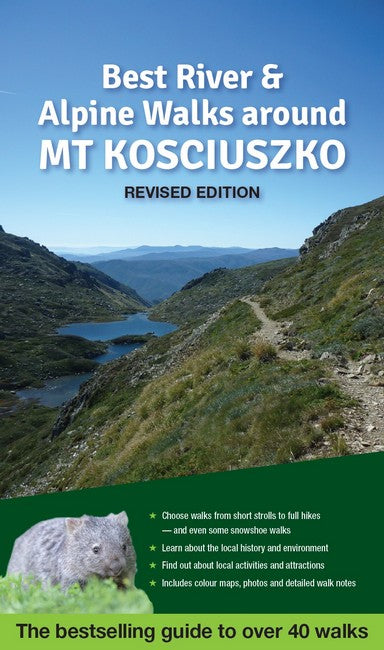
Always leave a trip intention with someone who is not on the walk. For planning your route, Best River & Alpine Walks Around Mt Kosciuszko (Books, $25.99) covers over 40 walks in Kosciuszko National Park, with full-colour maps and step-by-step directions.
For broader context on which high country areas suit your trip, Alpine Regions Australia: A Complete Guide explains how the different regions compare. You can also check which Alpine Photography Spots in Australia Are Worth the Trip? if you want to scout locations before committing to a route.
Alpine Weather Preparation: Recognising When to Turn Back
Weather is the biggest risk in the high country, and the hardest to predict on the day. The difference between a safe walk and an incident is usually not the forecast itself but how early you act on what the mountain is showing you. Set your decision rules before you leave, because judgement narrows once you are cold, tired and focused on the summit.
Set a Turn-Back Point Before You Start
A turn-back point is a combination of time, place and conditions, agreed with the whole group at the trailhead. Write it down or say it aloud so nobody can reinterpret it later.
The hardest part is often not choosing the rule but honouring it when the top looks close. Groups pushing on because they are "nearly there" can lose visibility or daylight on the descent.
Practical Thresholds for Changing Plans
Use these as prompts rather than rigid rules, and adjust them to your group's experience and the route:
- Visibility: if you can no longer see the next track marker or the next cairn, stop and reassess. On exposed ridges, losing sight of the route is the point at which navigation errors compound.
- Wind: if the wind is strong enough that you cannot walk steadily, or that speech is difficult, it is time to descend or seek shelter. Wind chill accelerates the onset of hypothermia far faster than still cold air.
- Temperature and wetness: if anyone's hands stop working properly, or someone is shivering and cannot warm up by adding a layer and eating, treat it as an emergency and get low and sheltered.
Watch out: a clear morning is not evidence of a clear afternoon. In the high country, the pattern is often calm and bright early, then cloud, wind and precipitation building through the middle of the day, so plan your exposed sections for the morning and your descent for the afternoon.
How the Rules Change Through the Year
Alpine conditions are seasonal, and the same route can demand different decisions in summer, shoulder season and winter.
- Summer: the main risks are afternoon storms, sun exposure and dry water sources. Start early, carry more water than you think you need, and be off exposed ridges before storms build.
- Shoulder season: snow, ice and meltwater make tracks harder to follow and slopes slippery. Carry traction aids, expect snow bridges and buried markers, and treat shorter daylight as a hard constraint.
- Winter: the route is a snow route, not a walking track. Navigation, avalanche awareness and insulation become central, and the margin for error shrinks. Only go if you have the skills and equipment for snow travel, and check the relevant state parks or emergency service advice before you leave.
Dressing in Layers Without Cotton
Dress in layers you can add to or remove as you warm up and cool down. A base layer should wick moisture away from your skin.
Avoid cotton. Once cotton gets wet, it stays wet and pulls heat from your body, which can lead to hypothermia even in mild conditions.
The article sets out practical thresholds for changing plans in the high country; the table below summarises them so you can check them quickly before and during a walk.
| Warning sign | Action | Note |
|---|---|---|
| Cannot see next track marker or cairn | Stop and reassess | Navigation errors compound on exposed ridges |
| Wind stops steady walking or speech | Descend or seek shelter | Wind chill speeds up hypothermia |
| Hands stop working or shivering persists | Treat as emergency, get low and sheltered | Add a layer and eat first |
| Behind schedule by over a third of remaining daylight | Shorten the route | Do not race the light |
| Cloud building fast or thunder heard | Move off high ground and exposed summits | Avoid isolated trees |
Packing the Right Alpine Hiking Gear Checklist
Pack for the conditions you might face, not the ones you hope for. This checklist covers the essentials:
- Waterproof outer shell and warm mid layer
- Moisture-wicking base layers and a spare set
- Warm hat, gloves and buff
- Sturdy waterproof footwear
For more detail on what to buy and how to care for it, Snow Gear Australia: What to Buy, Pack & Maintain covers what suits alpine conditions. Also check that your gear is ready before the trip. A boot with worn tread or a jacket that leaks will cause problems fast in the high country.
Navigation and Emergency Communication on Remote Trails
Do not rely on your phone for navigation. Batteries drain faster in cold weather, and coverage can disappear entirely. Carry a topographical map and a compass, and know how to use them. A handheld GPS is a useful backup if you have the skills to run it.
Navigating When the Track Disappears
In poor visibility or under snow, the track can vanish even on a marked route. The safe response is to slow down, confirm your position from known features, and navigate by bearing rather than by following footprints.
Keep your map and compass accessible, not buried at the bottom of your pack, and protect your phone from the cold by keeping it in an inside pocket.
Planning How You Will Call for Help
Many alpine areas have no mobile reception, so plan your communication before you leave. A personal locator beacon is the most reliable way to raise the alarm in remote terrain, because it works without mobile coverage and does not depend on you being able to describe your location.
Know the emergency number for your state and make sure everyone in the group knows how to raise the alarm.
What to Do After an Incident
If you are injured or someone is unwell, stop and stay put where possible.
- Stop and secure the scene. Move away from further hazards such as steep ground, falling rock or water, and account for everyone in the group.
- Treat the casualty. Use your first aid kit, keep the person warm and dry, and insulate them from the ground. Do not move someone with a suspected spinal injury unless they are in immediate danger.
- Shelter the group. Get out of wind and precipitation, put on spare layers, and share food and water. An emergency bivvy or space blanket makes a real difference to how long a casualty can be kept stable.
- Signal and call for help. Activate your beacon, use a whistle or torch to signal, and make yourself visible to search and rescue. Keep signalling devices together so you can find them in the dark.
- Conserve resources. Ration food and water, keep phone batteries warm, and do not split the group unless there is no alternative. Moving around in poor conditions often makes the situation worse.
Watch out: leaving a casualty to go for help is one of the most dangerous decisions in an alpine incident.
For more detail on what to buy and how to care for it, Snow Gear Australia: What to Buy, Pack & Maintain covers what suits alpine conditions.
Food, Water and Keeping Your Body Warm on the Trail
Your body burns more energy in the cold, so eat regular snacks and carry more food than you expect to need.
Water matters just as much. Cold air dries you out, and people often drink less when it is cold.
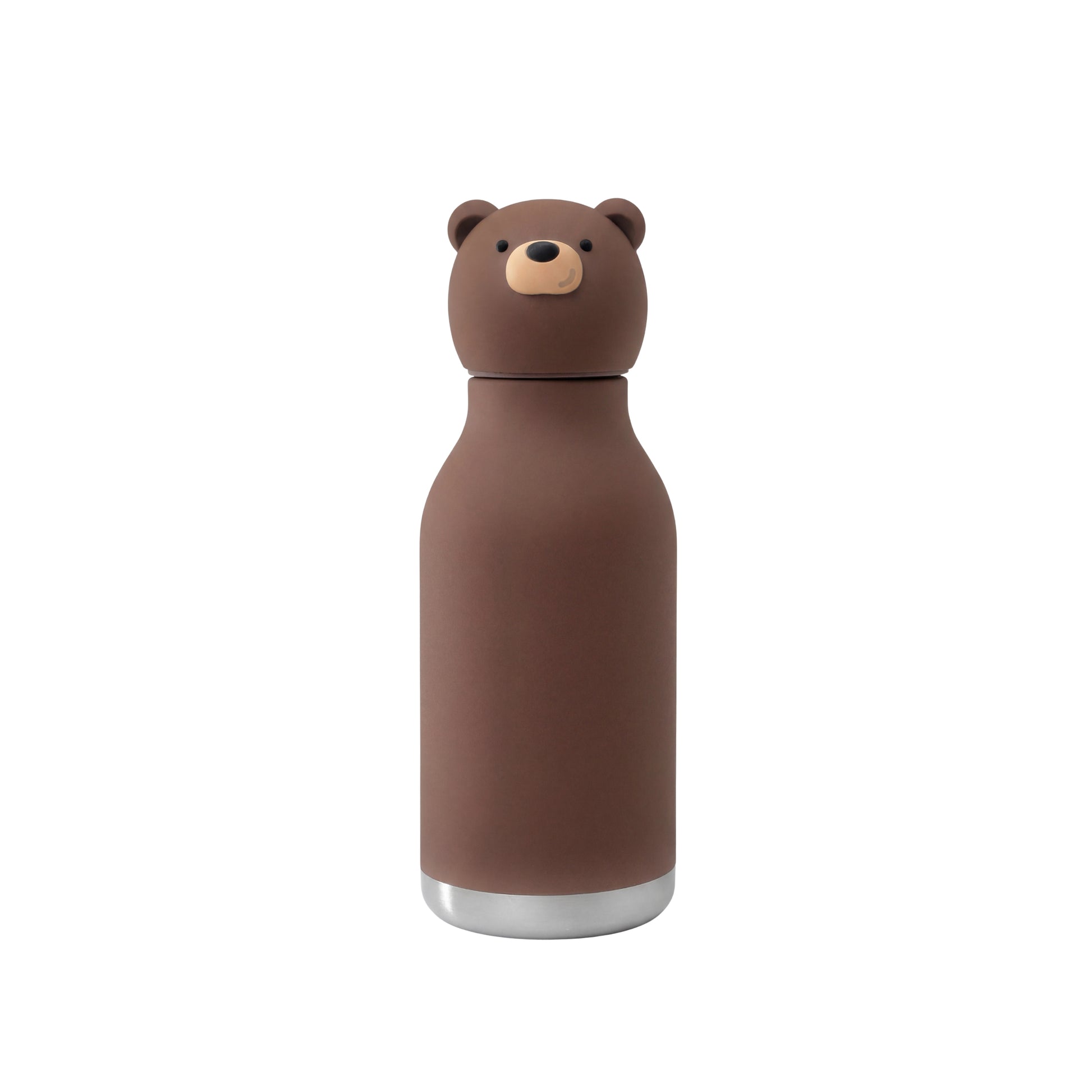
An insulated bottle helps stop drinks freezing on cold days. Bestie Brown Bear Insulated Water Bottle is one option to keep in your pack while you hike.
Your Alpine Hike Checklist Before You Set Off
Run through this list the night before you leave:
- Forecast checked for the specific area and altitude
- Trip intention left with a contact at home
- Turn-back point agreed with the group
- Map, compass and charged phone packed
Alpine hiking rewards careful preparation. Plan well, respect the weather, and turn back when conditions tell you to. A shorter, safer walk is always a better day in the high country.
Frequently Asked Questions
What should I pack for an alpine hike?
Pack warm, layered clothing with a waterproof outer shell, sturdy footwear, a warm hat and gloves, and enough food and water for the full day plus a margin. Include a map, a compass, a charged phone with a power bank, a first aid kit, a headlamp and an emergency blanket. Avoid cotton, which holds moisture and loses warmth when wet, and choose wool or synthetic base layers instead. Carry a small amount of extra clothing even on a short walk, because conditions in alpine country can change quickly and temperatures can fall sharply once you leave the shelter of the trees.
How quickly can alpine weather change?
Alpine weather can change within an hour or two, especially in the afternoon when cloud builds over the high country. Visibility can drop to a few metres in fog or cloud, temperatures can fall well below what you started in, and wind on exposed ridges makes the cold feel much harsher. Check the forecast before you leave, watch the sky during the walk, and treat any sudden drop in temperature or thickening cloud as a signal to reconsider your plans rather than push on.
What should I do if I get lost on an alpine hike?
Stop moving as soon as you realise you are unsure of your location. Stay calm, check your map and compass, and retrace your steps to the last point you were certain of, if that is safe. If you cannot re-orient yourself, stay where you are in a sheltered spot, put on warm layers, and use your phone or personal locator beacon to call for help if you have reception or a satellite device. Make yourself visible and conserve your energy and phone battery while you wait.
How can I reduce the risk of hypothermia while hiking?
Dress in layers so you can add or remove clothing as your body heats up and cools down, and keep a waterproof outer layer and a warm hat within reach. Eat regularly and drink water to keep your energy and body temperature up. Avoid sweating heavily on climbs by pacing yourself, and change out of damp clothing as soon as you stop. Watch for shivering, slurred speech, clumsiness or unusual confusion in yourself and your companions, as these can be early signs of hypothermia and mean you should stop and warm up immediately.
