



Quick Summary
The top alpine photography spots in Australia are in the Victorian High Country and the Snowy Mountains of New South Wales. Falls Creek, Mount Buller and Mount Hotham suit resort-based access, while Kosciuszko National Park offers the highest ground and the strongest remote viewpoints.
- Victorian High Country resorts Mount Buller, Mount Hotham and Falls Creek give access to open ridgelines at first light.
- Kosciuszko National Park holds the continent's highest peak, with alpine herbfields, limestone gorges and historic huts.
- Set positive exposure compensation of about one to two stops so snow looks white rather than grey.
- Carry two or three spare batteries and keep the active one in an inside pocket, since cold drains lithium-ion power quickly.
- Plan around the season: September to early October suits most landscape photographers, and April to May offers snow-dusted summits with open roads.
Table of Contents
- Top Rated Alpine Photography Spots in Australia
- Best Alpine Photography Locations in the Victorian High Country
- Best Alpine Photography Locations in the Snowy Mountains and Kosciuszko
- Best Time for Alpine Photography Across the Seasons
- Snow Photography Settings for Alpine Scenes
- Mountain Photography Tips for Changing Weather and Light
- Planning Your Own Alpine Photography Trip
- Frequently Asked Questions
Alpine photography in Australia rewards the photographer who plans around snow, weather and light. The best-known high country sits in Victoria's Alpine region and in the Snowy Mountains of New South Wales, and each offers distinct vantage points for landscape work. This guide covers the locations worth the trip, when to go, how to set up your camera for snow, and how to plan a trip that gets you the shots.
Alpine photography is the practice of capturing high-country landscapes, from snow-covered peaks and frost-laden gums to open valleys under changing cloud. The conditions that make these scenes striking are the same ones that make them hard to shoot, so preparation matters as much as composition.
The places below are ranked by how well they suit landscape photographers, with the most accessible and varied options given the most space.
Top Rated Alpine Photography Spots in Australia
Australia has two main alpine zones: the Victorian High Country and the Snowy Mountains of New South Wales. Both offer reliable snow cover in winter and open high-country scenery in summer. The best spots depend on whether you want easy road access, long walking routes, or dramatic summit views.
Reference guides are useful before you travel. Australian Alps national parks overview lists current access conditions for the Victorian alpine parks, which change with snowfall and seasonal closures.
Best Alpine Photography Locations in the Victorian High Country
The Victorian High Country gives photographers a mix of ski-resort access and remote bushland. Mount Buller, Mount Hotham and Falls Creek are the main resort-based bases, and each puts you within reach of open ridgelines at first light.
For compositions, look for the rolling snow fields above the treeline and the gnarled snow gums that frame them. Walking routes from the resorts reach lookouts that most day visitors never see, and the best of these are covered in the Best Walks of Victoria's High Country guide.
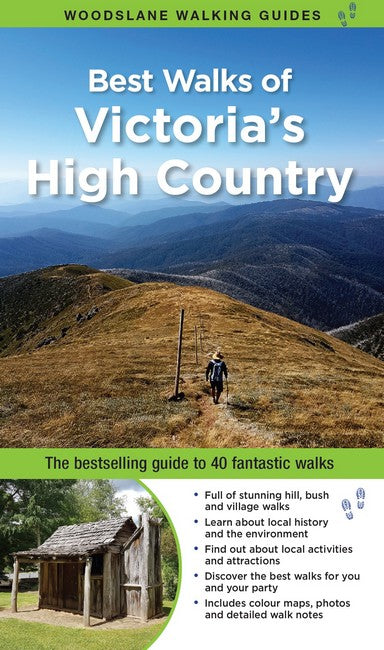
Best for: photographers who want resort access combined with walking routes to remote viewpoints.
Falls Creek deserves a closer look before you go, since its altitude and weather shape which shots are possible on a given day. The Falls Creek Altitude: Height, Weather and Snow Guide explains the conditions you should plan around.
Best Alpine Photography Locations in the Snowy Mountains and Kosciuszko
Kosciuszko National Park holds the continent's highest peak and covers a large area of alpine herbfields, limestone gorges and historic huts. The Charlotte Pass area and the Kosciuszko Road corridor give photographers quick access to high ground, while longer walks open up the wider landscape.
Kosciuszko National Park visitor information sets out current road and snow access, which is worth checking before you plan a dawn shoot.
For detailed routes, the Best River & Alpine Walks Around Mt Kosciuszko guide covers over forty walks with maps and directions.
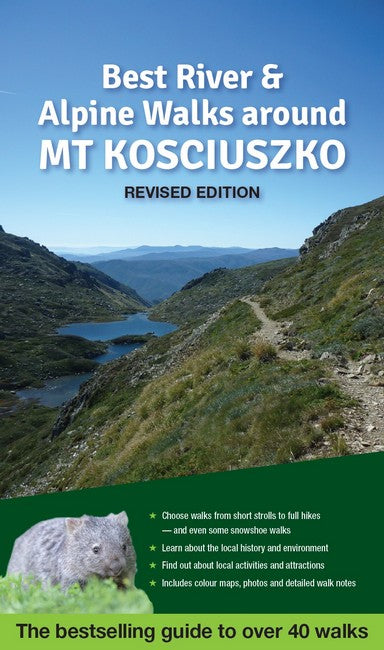
Skip if: you only have a day and want to stay close to the car park, since most of the strongest viewpoints require a walk.
Best Time for Alpine Photography Across the Seasons
The pattern below is a general guide only. Snow depth, road clearing and park closures vary year to year, so always confirm against the relevant park authority before you commit.
June to August (core winter). Full snow cover and the most reliable white landscapes, but also the shortest days and the most closures. Dawn shoots mean a pre-dawn drive in the dark on ice, so plan for slower travel and carry chains even if you do not expect to fit them.
September to early October (late winter into spring). This is the sweet spot for most landscape photographers.
November to December (early summer). Wildflowers appear in the alpine herbfields, the roads are fully open, and daylight runs long enough for both a dawn and a dusk shoot in one day.
January to March (high summer). The most accessible months and the easiest for walking to remote viewpoints, but the least snow. The landscape shifts to green herbfields, exposed rock and long, hazy light.
April to May (autumn). Warm colour in the lower valleys and the first snowfalls on the peaks. This is an underrated window because you can often get snow-dusted summits with open roads and no chain requirements.
A practical way to plan is to pick your target viewpoint first, then check when its access road is typically open, then choose the month that overlaps with the light you want. For current snow and wind forecasts, Bureau of Meteorology alpine forecasts is the reference to check in the days before you travel, and the park authorities publish road status separately.
Snow Photography Settings for Alpine Scenes
Snow tricks light meters, so most cameras will underexpose a white landscape. Dial in positive exposure compensation, usually about one to two stops, to keep the snow looking white rather than grey. Check the histogram rather than the rear screen, because a bright screen in bright snow will mislead you.
Shoot in raw format so you can recover highlight and shadow detail in post-processing. A polarising filter cuts glare off the snow and deepens blue skies, though it works best at a right angle to the sun and can flatten the sparkle on fresh snow if used at full strength.
A photographer setting up a tripod on a snow-covered alpine ridge at first light, with snow-capped peaks behind, shows how much the camera setup matters in these conditions.
Battery management in sub-zero temperatures. This is where most alpine shoots fail. Lithium-ion batteries lose usable capacity as they cool, and the effect accelerates below freezing. A battery that shows full at the car park can drop to a low warning within twenty minutes on an exposed ridge. The mechanism is simple: cold slows the chemical reaction inside the cell, so the voltage sags under load even though the charge is still there. The practical fixes are to carry two or three spares, keep the active battery in an inside jacket pocket against your body, and swap batteries before they die rather than after.
Condensation and lens fogging. Moving a cold camera into a warm car or hut causes moisture to condense on the glass and inside the body. The standard approach is to seal the camera in a plastic bag before you bring it into the warm, and let it equalise to room temperature before opening the bag. Going the other way, warm camera into cold air, is less of a problem but can fog the front element briefly, so give the lens a minute to settle before you shoot.
Snow spray and lens cloths. Snow flicked onto the front element melts and refreezes, and wiping it with a cold cloth can smear. Carry two microfibre cloths, keep one dry inside your jacket, and blot rather than wipe. A lens hood helps keep falling snow off the glass.
Tripod behaviour on snow and ice. Metal tripod legs conduct heat away from your hands fast, so gloves matter. On ice, the feet can skate; rubber feet grip better than spikes on hard snow, while spikes are better on ice. Watch out: a tripod set up on a snow-covered slope can settle as the snow compacts, so re-check your framing before a long exposure.
Focus and depth of field. In flat, low-contrast snow light, autofocus can hunt. Switch to manual focus and use live view magnification on a high-contrast edge such as a rock or a snow gum trunk. For broad vistas, stop down to around f/8 to f/11 for consistent sharpness across the frame, and use a tripod so you can keep the ISO low.
Mountain Photography Tips for Changing Weather and Light
Mountain weather changes fast. Cloud can roll over a summit in minutes, and mist can turn a clear view into flat grey within the hour. Keep your camera ready and be prepared to move when the light shifts.
Golden hour, the period just after sunrise and before sunset, gives warm side light that brings out texture in snow and rock. Blue hour, just before sunrise and after sunset, gives cool, even tones that suit broad alpine vistas.
Use a wide-angle lens for expansive scenes and a longer focal length to isolate peaks or ridgelines. Bracket your exposures when the contrast between sky and snow is high, so you can blend them later for full dynamic range.
Tread carefully on the environment. Stay on marked tracks and follow Leave No Trace principles, especially in fragile alpine herbfields where a single footprint can damage plants that take years to recover.
Planning Your Own Alpine Photography Trip
Start with the location, then work back to the season. Pick the area that matches your preferred access style, then choose the month when snow cover and road conditions line up with the light you want.
Pack for cold, wet conditions even on a bright day. Layers, waterproof boots, spare gloves and a headlamp matter as much as the camera itself. Plan your route around the forecast and leave a margin for road closures.
Keep a simple checklist: charged batteries, spare memory cards, a lens cloth for snow spray, a polarising filter, and a printed map in case mobile coverage drops out in the high country.
For broader context on the regions covered here, Alpine Regions Australia guide offers a complete overview of the high country.
Get more from your alpine trips with the right reference material. Our Alpine Australia book pairs images with descriptions of the high country, and the Chasing the Mountain Light collection shows how a lifetime of mountain photography captures the light and terrain.
Frequently Asked Questions
Where are the best alpine photography spots in Australia?
The most photographed alpine country sits in two areas: the Snowy Mountains of New South Wales, centred on Kosciuszko National Park and its highest peak, and the Victorian High Country, including Mount Buffalo, Mount Bogong and the Mt Buller and Mt Hotham region. Both offer snow-covered ridgelines, open alpine herbfields and panoramic viewpoints that suit wide-angle work. Walking guides to the region, such as Best River and Alpine Walks Around Mt Kosciuszko, help you reach less obvious vantage points away from the main lookouts.
What is the best time of year to photograph alpine landscapes?
Winter, roughly June to August, gives the most dramatic snow-capped scenes and the clearest contrast between white peaks and dark forest. Late spring, from September to November, often brings melting snow, wildflowers in the alpine meadows and softer light. Shoulder seasons can produce cloud inversions and mist, which are worth planning for. Check road access before you travel, as some high country roads close during winter snowfall.
What camera settings work best for snow and mountain photography?
Snow reflects a lot of light, so set exposure compensation to around +0.7 to +1 stop to stop the scene looking grey. Use a small aperture such as f/8 to f/11 for deep focus across a landscape, and keep ISO as low as the light allows. Shoot in raw format so you can recover highlight detail and adjust white balance in post-processing. A polarising filter reduces glare on snow and deepens blue skies.
How do you keep camera batteries working in cold alpine conditions?
Cold drains lithium batteries quickly, so carry spares and keep them in an inner pocket close to your body. Switch off image stabilisation and the rear screen when not in use to save power. Keeping the camera inside your jacket between shots also helps prevent condensation when you move back into warmer air. Bring a tripod with a stable, weighted base for long exposures in strong wind.
