

Last Updated: November 12, 2026
Quick Summary
Snow ski shops in Melbourne split into large multi-brand retailers with deep hire fleets and workshop benches, and smaller curated sellers trading on vintage and hard-to-find pieces. Choose between them using five criteria: range, hire availability, fitting service, workshop capability and after-sales support. Match the shop to the shopper rather than the showroom size.
- Beginners should prioritise fitting time and hire availability over range when choosing a shop.
- Hire for one to three ski days a season; buy boots first once you ski more than eight.
- Ask whether boots are fitted in-store and how long a fitting takes before committing.
- Check seams, zips, fabric, insulation and smell before buying vintage ski apparel.
- Layer a vintage ski jacket with a thermal base, fleece mid layer, then the shell.
Table of Contents
- What Melbourne's Snow Ski Shops Actually Offer
- How to Choose Between Snow Ski Shops in Melbourne
- Buy or Hire Ski Equipment: Which Makes Sense for You
- Your Ski Gear Checklist Before You Leave Melbourne
- Vintage Ski Apparel: What to Check Before You Buy
- How to Layer a Vintage Ski Jacket for Warmth
- Services Beyond the Sales Floor: Fitting, Tuning and Sourcing
- Build Your Snow Kit Before Your Next Trip
- Frequently Asked Questions
What Melbourne's Snow Ski Shops Actually Offer
Snow ski shops in Melbourne fall into two broad camps: large multi-brand retailers with deep hire fleets and workshop benches, and smaller curated sellers who trade on vintage and hard-to-find pieces. Knowing which type you are walking into saves hours of traipsing between showrooms. This guide explains how to shop both without wasting a trip.
Most first-time buyers assume every shop stocks the same things. They don't. A big-box store might carry forty boot models but nothing older than three seasons, while a specialist dealer may hold a single pair of 1980s laminated skis that no one else in the country has.
Equipment ranges: skis, snowboards, boots and bindings
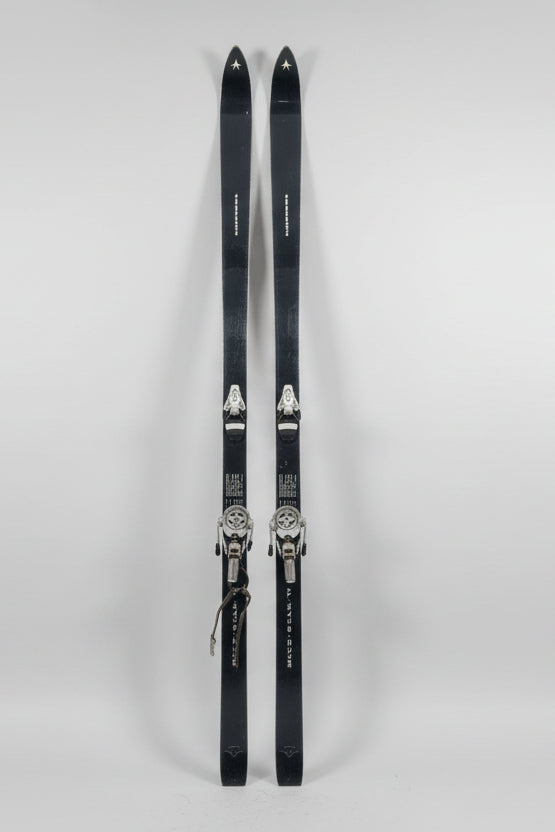
The hardware side covers four categories: skis, snowboards, boots and bindings. Larger shops tend to stock current-season models across all four, plus a hire fleet for people testing before committing. Smaller dealers often focus on one category and go deep rather than wide. If you want to see a real example of older skis paired with period bindings, browse our vintage Kneissl laminated skis with Marker bindings to understand what "complete setup" actually looks like.
Clothing, helmets, goggles and accessories
Outerwear splits into jackets, pants, thermals, knitwear, gloves, goggles, helmets and hats. Chain retailers carry new-season ski jackets and snow pants in full size runs. Independent sellers are more likely to hold one-off vintage ski apparel alongside new snow-themed gifts and homewares. Neither is better; they answer different questions.
How to Choose Between Snow Ski Shops in Melbourne
Choosing between snow ski shops in Melbourne comes down to five criteria: range, hire availability, fitting service, workshop capability and after-sales support. Score each shop against what you actually need rather than what looks impressive on the rack, and do it before you leave home so you are not comparing from memory in a car park.
The five criteria that actually separate shops
| Criterion | What to check | Why it matters |
|---|---|---|
| Range | Categories stocked, size runs, whether current-season or older stock dominates | Prevents wasted trips across town |
| Hire | Fleet size, whether booking is required, what a package includes | Lets you test before buying |
| Fitting | Boot fitting offered, time allowed per customer, whether a fee applies | Fit decides comfort on the slopes |
| Workshop | Binding checks, edge tuning, waxing, repairs done on site or sent away | Extends gear life and keeps you safe |
| After-sales | Exchange window, warranty handling, trade-in or sourcing service | Decides what happens when something fails |
Match the shop to the shopper
The right shop often depends more on who you are than on how big the showroom is.
- Beginners: prioritise fitting time and hire availability over range. You need someone to check your shell fit and stance before you commit, and a hire fleet lets you confirm you enjoy the sport before spending.
- Families: look for full size runs across children's and adults' gear in one place, plus a hire process that can equip several people in a single visit. Ring ahead to confirm the sizes you need are on the floor.
- Advanced skiers and snowboarders: ask about current-season stock, demo fleets and whether staff can discuss flex, camber and mount points in detail. A shop that cannot answer those questions is not your shop.
Questions to ask before you commit
A short script saves a long trip:
- Do you fit boots in-store, and how long does a fitting take?
- Can I hire the same model I am considering buying?
- Do you tune and repair on site, or send gear away?
- What is your exchange window if the fit is wrong?
- Do you take trade-ins or source specific models on request?
Best for: buyers who know their size and want choice across categories. Skip if: you need hands-on fitting and the shop has no bench or booking system.
A common mistake is judging a shop by floor space.
Buy or Hire Ski Equipment: Which Makes Sense for You
Hiring makes sense for one or two trips a season, or when you are still working out what you like. Buying pays off once you ski regularly, because fit and familiarity matter more than novelty on the slopes. The useful version of this decision is a rule, not a feeling.
A simple decision rule
Count the days you expect to ski this season, then apply this:
- One to three days: hire. Hiring avoids the storage and maintenance that come with owning gear.
- Four to eight days: hire first, then buy at the end of the season if you are still keen. Ask before you book whether any part of a hire fee can be put towards a purchase.
- More than eight days, or a second season ahead: buy boots first, then skis or a board. Boots are the item where fit matters most and where hire fleets are weakest.
Ask yourself three questions before you spend:
- How many days will you actually ski this season?
- Do you know your boot size, last width and flex preference?
- Will you store and maintain the gear properly between trips?
If the answer to the second question is no, hire first. Rental lets you try skis, snowboards and boots without committing, and it teaches you what you actually notice on snow, edge grip, float, stiffness, which is far more useful than a showroom flex test.
What to bring and what to ask when hiring
Turn up prepared and the fitting takes minutes rather than an hour:
- The socks you will ski in, not thick everyday socks
- Your usual shoe size in European sizing, plus the brand you wear
- A note of your height, weight and ability level
Ask staff to confirm the boot shell fit with a shell check, that bindings are set to your ability and weight, and what the return window is. Check the hire agreement for damage liability before you sign.
Buying new versus buying well-made older gear
Buying new gives you warranty, current binding standards and a fitting service. Buying well-made older gear can last, provided you inspect it properly, seams, zips, insulation and, on hardware, binding function and base condition. The trade-off is service: an older item may not be covered by a workshop, so confirm before you buy whether the shop will tune or repair it.
If you are still planning the trip itself, our guide to planning a budget friendly snow trip in Australia covers the logistics side.
Your Ski Gear Checklist Before You Leave Melbourne
Pack against a checklist, not from memory. Forgetting thermals or goggles turns a good day on the mountains into an expensive one at the resort shop.
- Skis or snowboard, plus bindings checked
- Boots that fit without pressure points
- Ski jacket and snow pants
- Two pairs of thermals
If you are still planning the trip itself, our guide to planning a budget friendly snow trip in Australia covers the logistics side.
Vintage Ski Apparel: What to Check Before You Buy
Vintage ski apparel is worth buying when the seams, zips and insulation are sound. Age alone is not a problem; neglect is.
Run these checks before you commit:
- Zips: pull each one fully. Metal zips from older jackets often outlast plastic ones.
- Seams: turn the garment inside out and look for pulled threads or separation.
- Fabric: check shoulders and cuffs for thinning or shine.
- Insulation: squeeze the lining. Clumping means it has been damp.
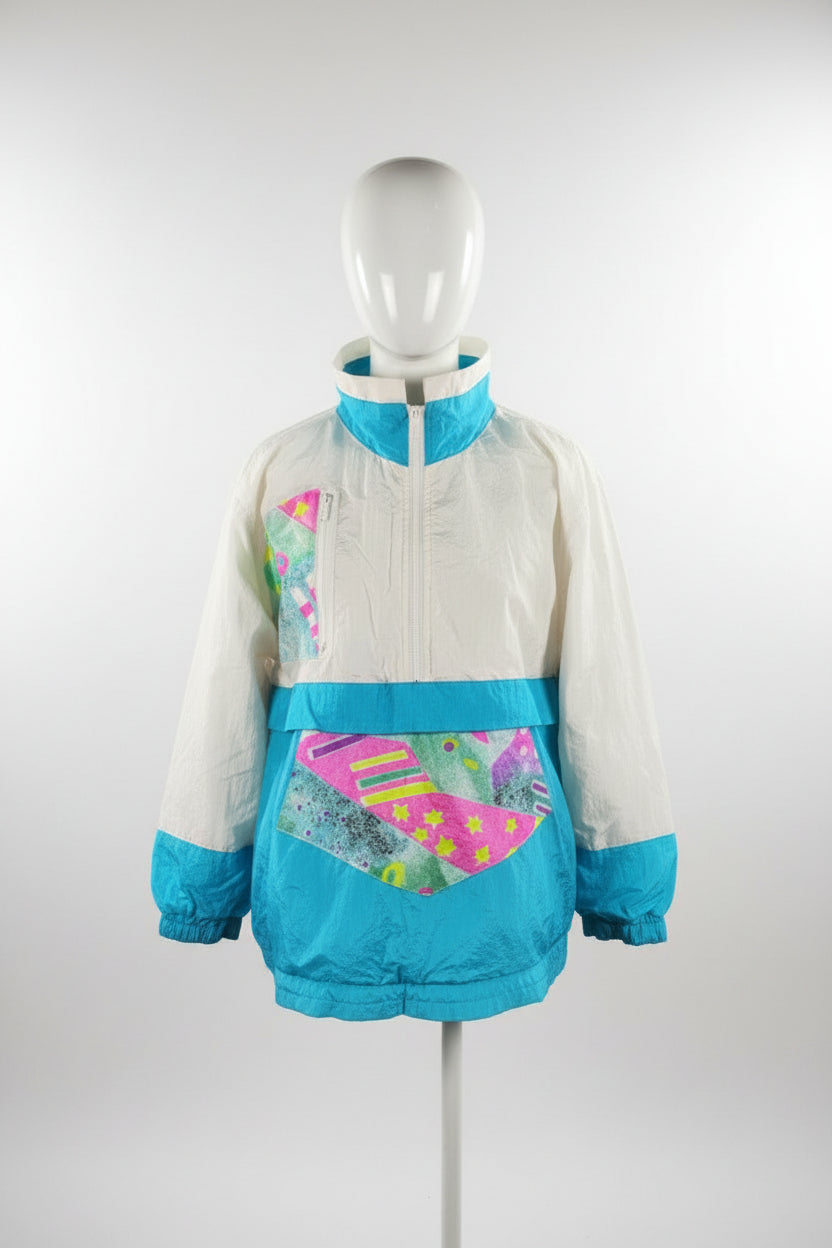
A concrete example helps. Our vintage Climate Zone snow jacket shows the kind of detailing worth inspecting up close. We also offer a 14-day exchange window, so fit problems are fixable.
How to Layer a Vintage Ski Jacket for Warmth
Layering a vintage ski jacket means three thin layers, not one thick one. Older shells often lack modern insulation, so the warmth has to come from what you wear underneath.
Start with a moisture-wicking thermal base layer against the skin. Add a fleece or knit mid layer for loft. The jacket goes on top as the weather shield.
Watch out: cotton next to the skin stays wet and chills you fast. Choose wool or synthetic blends instead.
Services Beyond the Sales Floor: Fitting, Tuning and Sourcing
The best shops sell services, not just stock. Boot fitting, binding checks, edge tuning and waxing all extend the life of your gear and improve how it performs.
Sourcing is the service most people overlook. If you want a specific era, colour or brand, a dealer with supplier contacts can hunt it down. Our guide to personalised vintage ski gear sourcing explains how that process works from start to finish.
Build Your Snow Kit Before Your Next Trip
Building a snow kit is a process, not a single purchase. Start with boots that fit, add layers that work together, then fill gaps as you learn what you actually use.
We curate vintage ski treasures and new snow-themed pieces for people who love the mountains year-round. Browse our vintage snow jacket collection to see what is available now, or tell us what you are hunting for and we will source it.
The challenge is simple: most gear lists are built backwards, buying the flashiest item first and discovering the gaps on the mountain. We would start with fit, then layering, then everything else.
Frequently Asked Questions
What should I look for in a snow ski shop?
Look for a range that covers skis, snowboards, boots, bindings, outerwear, thermals, helmets, goggles and accessories, so you can kit out a whole trip in one visit. Check whether staff offer boot fitting and binding checks, whether hire is available, and whether they stock brands you can get serviced locally. Ask about delivery and returns, and confirm opening hours before travelling. A shop that gives clear advice on fit and layering is worth more than one with the biggest window display.
Is it better to buy or hire ski equipment?
Hire suits occasional trips, growing children and anyone still working out their preferred ski length or board style, because you can swap gear between trips. Buy when you ski or ride regularly enough that hire costs add up, when you want boots fitted to your feet, or when you have a specific setup in mind. A middle path works well: buy boots, helmet and goggles for fit and hygiene, and hire skis or snowboards until your preferences settle.
What should I check when buying vintage ski apparel?
Check the label and construction details, look for clear photos of seams, zips, cuffs and any repairs, and ask about measurements rather than relying on the marked size. Confirm whether the item has been cleaned and whether zips and press studs work. Ask about the returns window so you can inspect the fit at home. Repairs and small marks are normal in older pieces; structural damage to waterproof layers or broken zips is the thing to avoid.
How do I layer a vintage ski jacket for warmth?
Treat the jacket as the outer shell and build warmth underneath. Start with a moisture-wicking thermal base layer, add a fleece or knit mid layer for insulation, then the jacket as the wind and weather barrier. Keep the fit loose enough for a mid layer without compressing it, and use the collar, cuffs and any powder skirt to seal out snow. If the jacket lacks insulation, size up slightly so the mid layer sits comfortably.
